Episode 2 — Olive Tree Varieties in Morocco: A Question of Character
Olive tree varieties in Morocco: understanding the tree to understand the oil
We often talk about terroir, climate, and region.
But before all that, there is the tree.
Two olive oils can come from the same field, the same mill, the same harvest… and still taste completely different. Why?
Because olive oil, before being an agricultural product, is a genetic expression.
To understand Moroccan olive oil, you must first understand its olive trees.
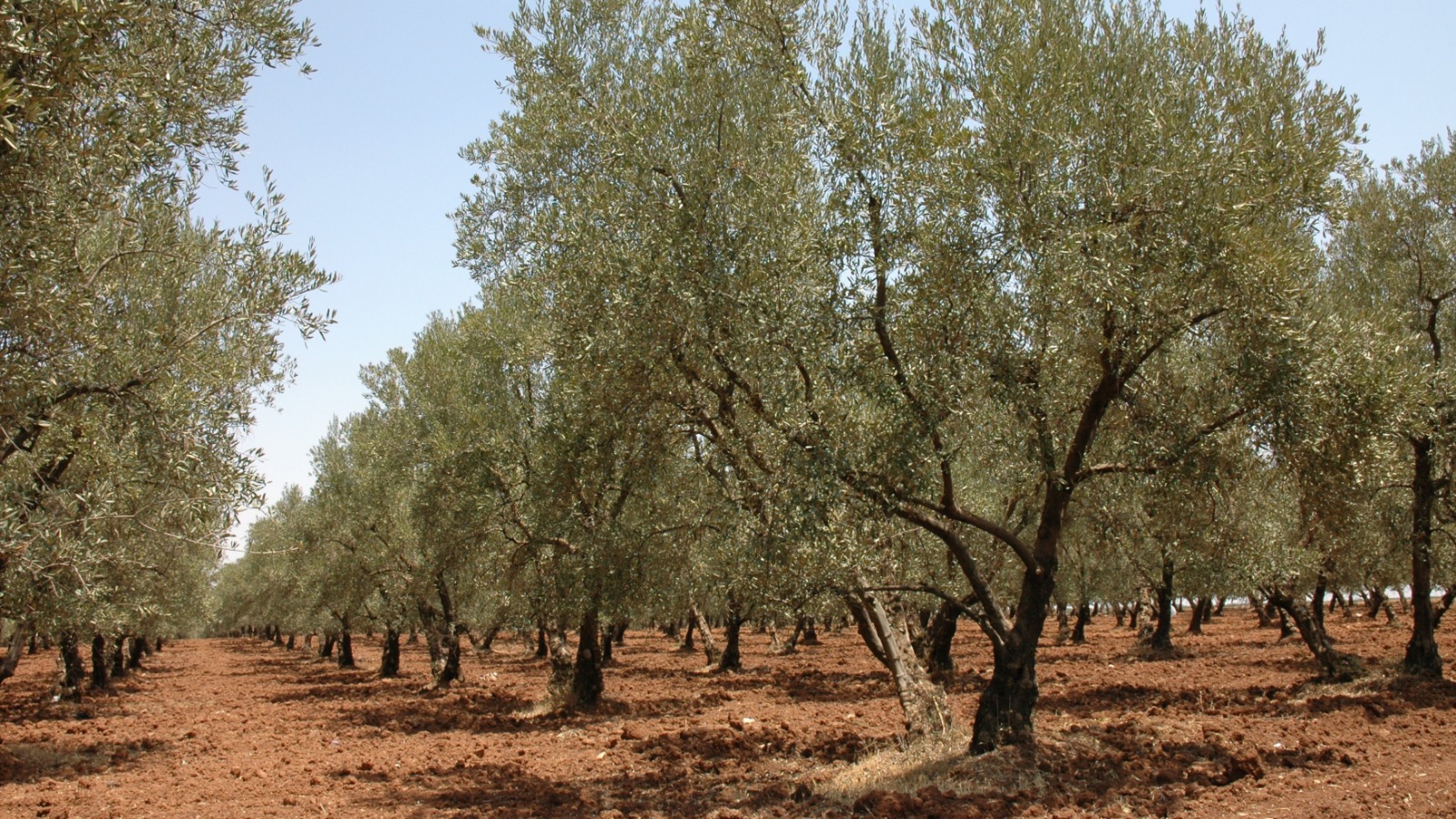
The dominance of a single variety: Moroccan Picholine
Morocco is almost unique in the Mediterranean basin:
more than 90% of its olive trees belong to a single variety.
Moroccan Picholine.
Originally imported, it has evolved over decades. Today, it is:
- more resistant to drought
- adapted to poor soils
- capable of producing regularly even in difficult conditions
It is a robust agricultural variety, designed to last.
What Picholine produces in oil (sensory profile)
Regardless of the region, oil made from Moroccan Picholine often shows:
- a green to medium fruitiness
- clear vegetal notes
- moderate bitterness
- a progressive, never aggressive pungency
It is a naturally balanced oil. Rarely extreme.
It does not try to impress — it aims to accompany.
This explains why it is omnipresent in Moroccan cuisine.
One tree, many oils: the importance of harvest maturity
A frequently overlooked factor: harvest timing changes everything.
- Green olives (early harvest) → more bitter, more pungent, highly aromatic oil
- Turning olives → balanced oil, the most common profile
- Ripe olives → soft, round oil, less intense
In Morocco, many producers favor intermediate to late harvesting, suited to culinary and cosmetic uses.
Forgotten local varieties: a fragile heritage
Alongside Picholine, there still exist:
- centenary olive trees
- unidentified local varieties
- trees planted without industrial logic
These trees produce little, but sometimes yield:
- highly aromatic oils
- atypical profiles
- a true family signature
This heritage is real — but threatened, as it is rarely economically profitable.
Varietal comparison: Morocco vs the Mediterranean
Unlike:
- Italy (dozens of officially recognized varieties)
- Spain (highly technical varietal work)
- Greece (dominance of Koroneiki)
Morocco made a different choice:
- one dominant variety
- adaptation to climate
- resilience over prestige
The result: oils that are less “marketing-driven,” but deeply rooted in real-life use.
An oil that also nourishes the skin
The natural stability of Picholine also explains its non-culinary uses:
- black soap
- hair care
- massages and hammams
An oil that is too bitter or too unstable would not suit these purposes.
The variety therefore shapes an entire cultural chain — not just taste.
Why this episode matters
Because before discussing:
- extraction quality
- health benefits
- tasting
We had to understand the foundation: the olive tree itself.
This is where everything can change.
🔗 Also read
Olive Oil in Morocco, Drop by Drop
Episode 1: The regions and terroirs of Moroccan olive oil
Episode 2: Olive tree varieties in Morocco
Episode 3 — From fruit to oil: what really happens in Moroccan mills
Episode 4 — How to Read a Moroccan Olive Oil Label: What Labels Hide and What You Need to Know
Episode 5: Moroccan Olive Oil: From Traditional Food to Natural Skincare & Wellness
📩 Subscribe to the JBUJB newsletter to follow the series and discover local terroir experiences across Morocco.
— The JBUJB Team
This is Episode 2 of our Moroccan Olive Oil series. ← Episode 1 | Continue to Episode 3: From Fruit to Oil →