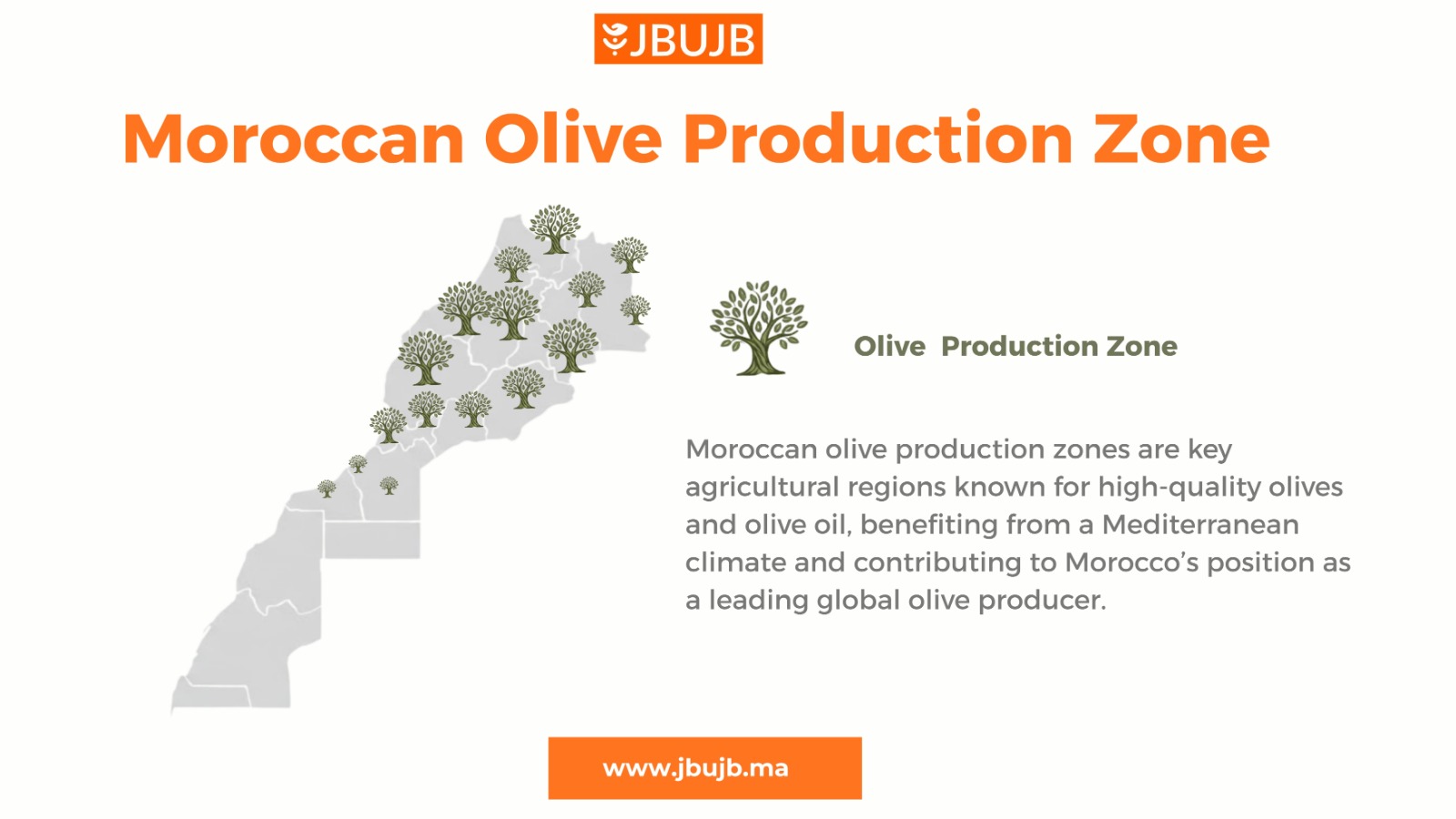
Episode 1: The regions and terroirs of Moroccan olive oil
Moroccan olive oil: a heritage of terroirs, seasons and craftsmanship
The Mediterranean’s best-kept secret
When people talk about olive oil, the same names always come up: Italy, Spain, Greece. But what if I told you the Mediterranean still has a well-kept secret?
Morocco, a land of sunshine, mountains and fertile plains, has been producing olive oil with a unique character for centuries — yet it remains too little known internationally. And here’s the thing… in Morocco, the olive isn’t just an ingredient. It’s a culture, a rhythm of life, a collective memory.
So, ready to discover what really lies behind Moroccan olive oil?
A season that shapes rural Moroccan life
In Morocco, the olive harvest typically begins in late October and can extend until February, depending on the region, altitude and climate conditions.
It’s a special time.
Families reunite, villages come alive, mills run day and night. The harvest is still often done by hand, using sticks or gentle beating, then the olives are gathered on cloths spread on the ground. Patient work, sometimes tough, but deeply rooted in rural traditions.
And each region, each terroir, tells a different story.
The great terroirs of Moroccan olive oil
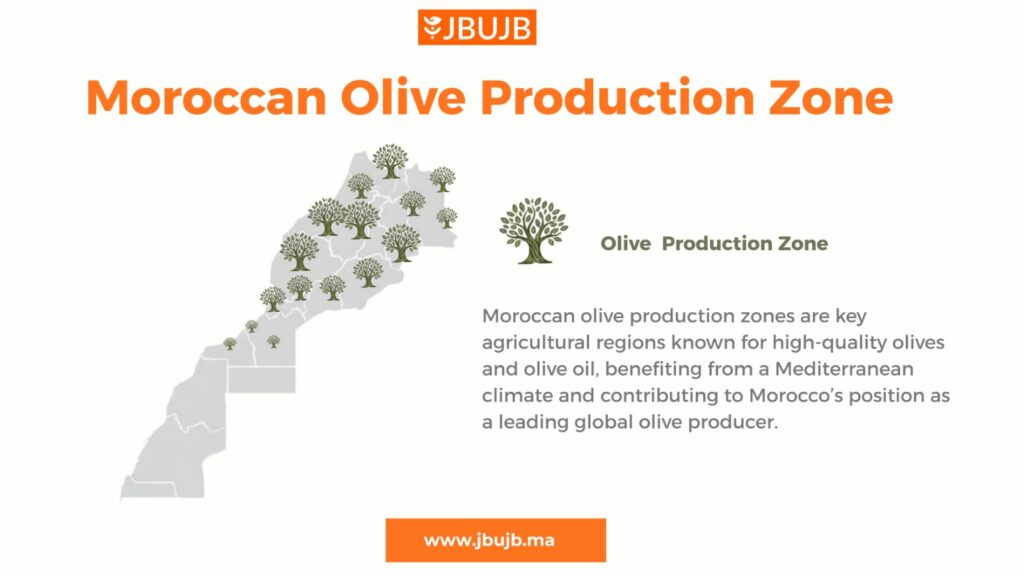
Meknes – Fes: the historic heart of Moroccan olive oil
Considered the olive capital of Morocco, the Meknes-Fes region benefits from a temperate Mediterranean climate and rich soils.
Flavor profile:
- Balanced oil
- Herbal notes, green almond
- Light bitterness, elegant peppery finish
Key city: Meknes
Each year, the region hosts the International Agricultural Show in Morocco (SIAM), a major event where olive oil takes center stage, with tastings and competitions.
Marrakech – Haouz: intensity and character
Around Marrakech, olive trees grow on the Haouz plains, under more intense sun.
Flavor profile:
- Ripe fruity oil
- Notes of black olive, artichoke
- Round and generous texture
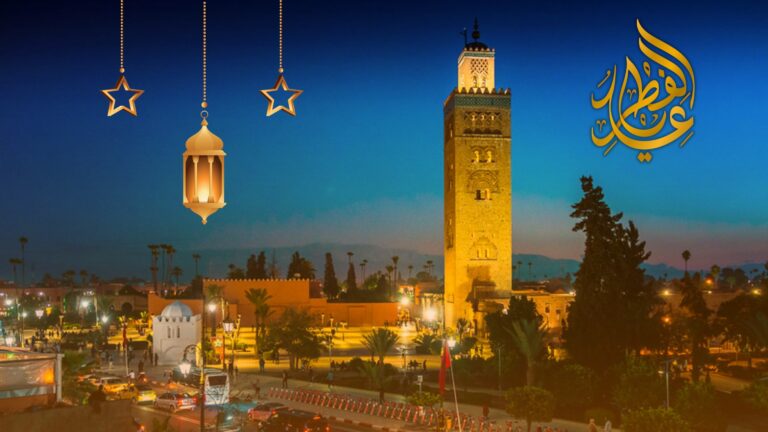
Key city: Marrakech
Here, olive oil is everywhere: in cuisine, but also in traditional hammams, spas and cosmetic treatments. A true bridge between gastronomy and wellness.
Taza – Taounate – Rif: freshness and power
In the north and northeast, altitude and humidity produce more vibrant oils.
Flavor profile:
- Intense green fruity
- Notes of green apple, fresh grass
- Pronounced bitterness, sharp peppery kick
Key city: Taounate
The region is known for its artisanal oils and small family mills, often open to curious visitors.
Atlas and mountain regions: rarity and refinement
In the Middle and High Atlas, olives are hard-earned. Yields are lower, but quality is exceptional.
Flavor profile:
- Fine and aromatic oil
- Floral notes, wild herbs
- Great elegance on the palate
Key city: Azilal
Still not very touristy, the region offers an authentic experience for those seeking to understand oil at its source.
Moroccan olive oil compared to the great Mediterranean oils
So, how does Moroccan olive oil stand up against Spanish or Italian giants?
- Less standardized than industrial Spanish oil
- More rustic and expressive than some very smooth Italian oils
- More accessible than many premium European oils
Morocco offers a diversity of flavors still largely unformatted, where each harvest, each mill, can hold a surprise.
Between cuisine, wellness and lifestyle
In Morocco, olive oil goes far beyond the plate.
It nourishes skin in hammams, goes into black soap production, hair care and beauty rituals passed down through generations.
In Marrakech especially, gastronomy and wellness naturally converge around this iconic product.
How to experience it today?
Curious traveler or quality product enthusiast, you can:
- visit a traditional mill
- taste oils at local producers
- find restaurants proud of their terroir
- discover olive oil in spa and hammam rituals
This is exactly the type of local experience JBUJB aims to highlight.
And this is just the beginning…
This article opens a series dedicated to Moroccan olive oil.
In the next episode, we’ll dive into the heart of olive tree varieties, the ones that give each oil its identity and character.
Because behind every drop of olive oil, there’s more than just a taste… there’s a story.
🔗 Related reading
- Series: Moroccan olive oil, drop by drop
- Episode 2: Olive tree varieties in Morocco
Subscribe to the JBUJB newsletter to follow the series and discover Morocco’s best local experiences.
— The JBUJB Team
This is Episode 1 of our Moroccan Olive Oil series. Continue to Episode 2: Olive Tree Varieties →