QR Code Menus vs Traditional Menus: Which Is Better?
The restaurant industry is changing fast. In 2026, more restaurants, cafés, snacks, and fast-food businesses in Morocco are moving toward digital solutions to improve customer experience and simplify operations.
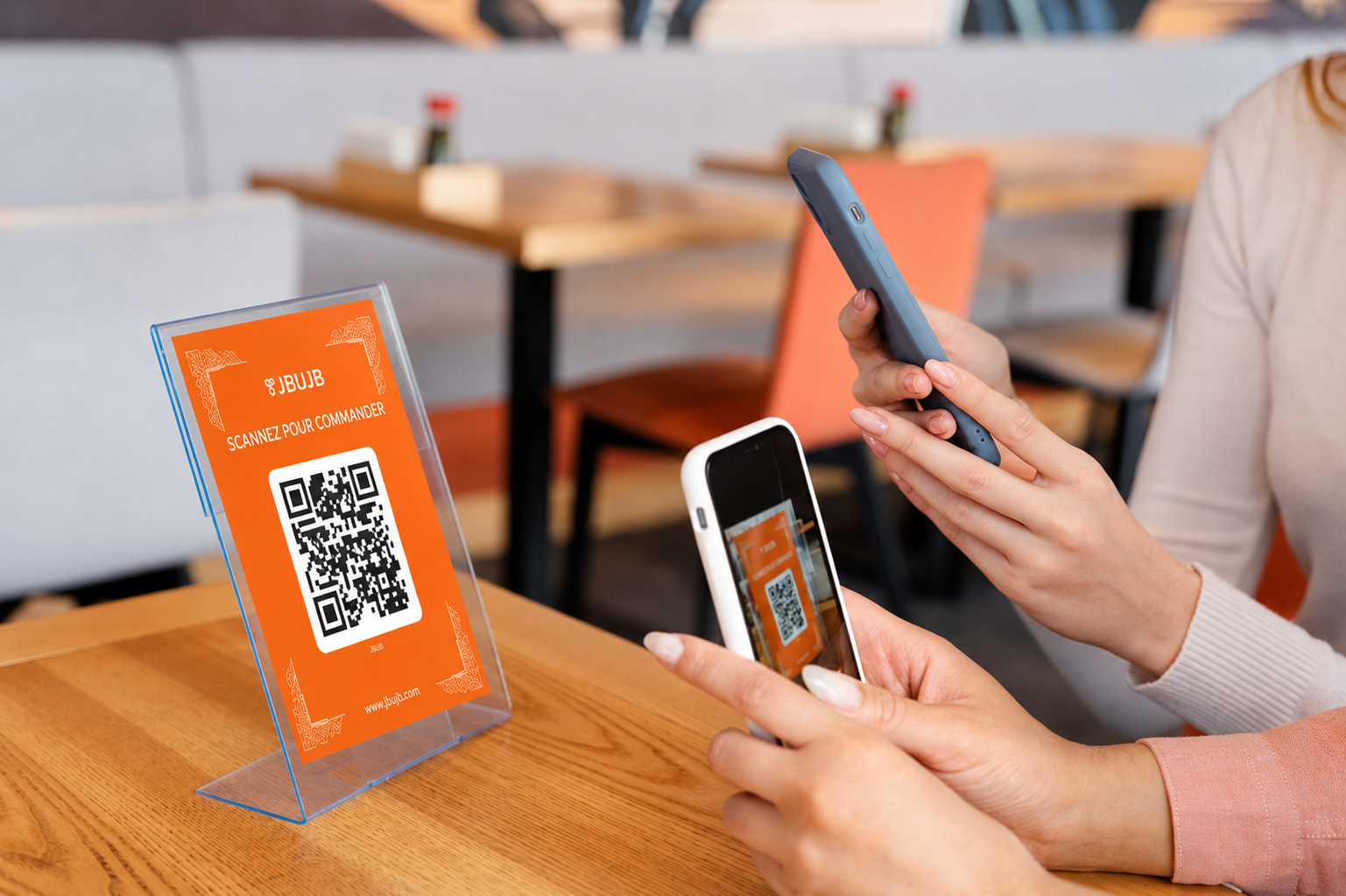
One of the biggest changes is the rise of the QR code menu restaurant system.
But many restaurant owners still ask:
Should I keep traditional printed menus or switch to QR code menus?
In this article, we compare both options and help you understand which one is better for your business.
What Is a Traditional Menu?
A traditional menu is the classic printed menu used in restaurants for years.
Customers receive a physical menu at the table and browse food and drink options manually.
Advantages of Traditional Menus
- Familiar for all customers
- No internet or smartphone needed
- Easy for older customers
- Physical branding experience
Problems With Traditional Menus
However, printed menus create many problems for restaurants:
- Expensive to reprint every time prices change
- Menus become damaged or dirty quickly
- Difficult to update promotions or seasonal items
- Limited space for photos and multilingual content
- Slow ordering experience during busy hours
As food prices continue to change in Morocco, constantly reprinting menus becomes costly.
What Is a QR Code Menu?
A QR code menu allows customers to scan a QR code using their smartphone and instantly access a digital menu.
The menu opens directly on the phone without downloading an application.
Restaurants can display:
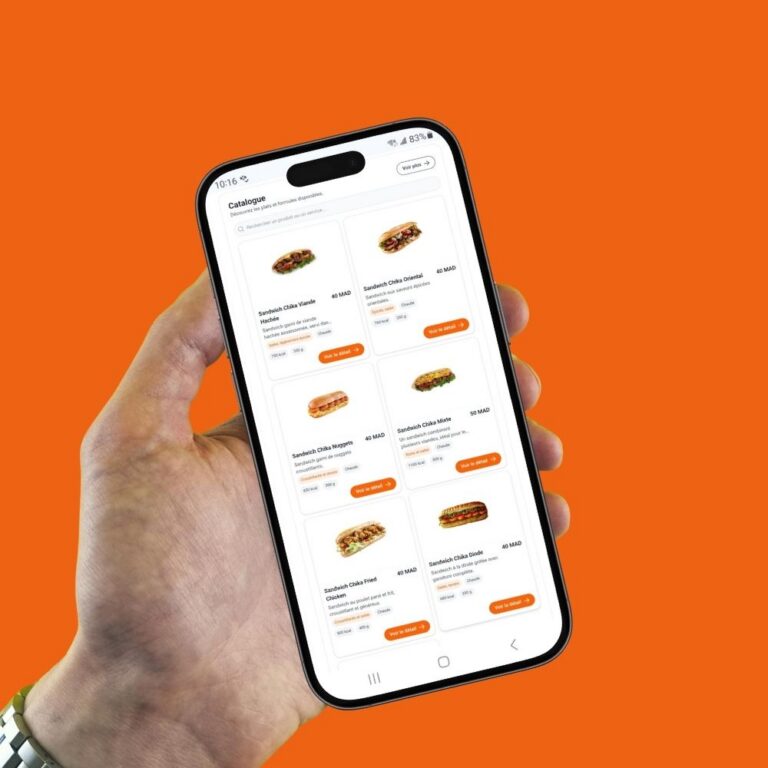
- Food photos
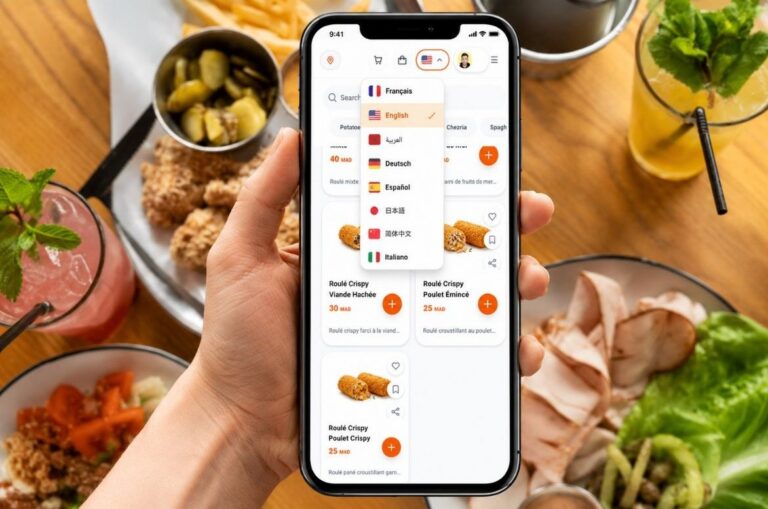
- Multiple languages
- Prices
- Promotions
- Categories
- Online ordering options
With platforms like JBUJB, restaurants can manage everything from one dashboard.
Why QR Code Menus Are Growing Fast in Morocco
Restaurants in Marrakech, Casablanca, Rabat, and other Moroccan cities are adopting digital menus because they improve efficiency and customer experience.
Modern customers already use smartphones for everything:
- Payments
- Ordering food
- Reviews
- Social media
- Reservations
Scanning a QR code now feels natural and fast.
Tourists also prefer multilingual digital menus because they can easily switch languages.
QR Code Menus vs Traditional Menus
1. Cost
Traditional Menus
Printed menus require:
- Design costs
- Printing costs
- Reprinting after every update
If you change prices often, costs become high.
QR Code Menus
Digital menus can be updated instantly without printing anything.
Restaurants save money long term.
Winner: QR Code Menus ✅
2. Speed and Flexibility
Traditional Menus
Updating printed menus takes time.
You cannot instantly:
- Add promotions
- Remove unavailable dishes
- Change prices
QR Code Menus
Digital menus update in seconds.
Restaurants can:
- Add new products instantly
- Create daily specials
- Manage peak hours better
Winner: QR Code Menus ✅
3. Customer Experience
Traditional Menus
Some printed menus become old, damaged, or difficult to read.
Photos are often limited because printing colorful menus is expensive.
QR Code Menus
Digital menus provide:
- Beautiful food photos
- Faster browsing
- Cleaner experience
- Multiple languages
- Better organization
Customers can even order directly from their phones.
Winner: QR Code Menus ✅
4. Hygiene and Cleanliness
After recent global health concerns, many customers prefer contactless experiences.
Traditional Menus
Physical menus pass between many customers daily.
QR Code Menus
Customers use their own phones.
No physical contact is needed.
Winner: QR Code Menus ✅
5. Marketing and Analytics
Traditional Menus
Printed menus provide no data.
Restaurants cannot know:
- Which items customers view most
- Popular categories
- Customer behavior
QR Code Menus
Digital platforms like JBUJB provide analytics such as:
- QR scans
- Menu views
- Customer activity
- Online order tracking
This helps restaurants make smarter business decisions.
Winner: QR Code Menus ✅
Are Traditional Menus Completely Dead?
Not necessarily.
Some luxury restaurants still use premium printed menus for branding purposes.
However, most modern restaurants now combine both:
- QR code menus for speed and flexibility
- Small printed menus for customers who prefer them
This hybrid approach works well for many businesses.
Real Example in Morocco
Imagine a snack restaurant in Marrakech during summer season.
The restaurant receives:
- Local customers
- French tourists
- English-speaking tourists
With a traditional menu:
- Staff must explain dishes repeatedly
- Updating prices is difficult
- Printing multilingual menus is expensive
With a QR code menu:
- Customers instantly switch languages
- New offers appear immediately
- Orders become faster
- Staff save time
The restaurant operates more efficiently.
Why Restaurants Choose JBUJB
JBUJB helps Moroccan restaurants modernize their business with:
- QR code digital menus
- Online order management
- Multilingual support
- Restaurant dashboards
- Customer analytics
- Easy setup
- Modern restaurant experience
Restaurants can manage everything from one platform.
Final Verdict: Which Is Better?
In 2026, QR code menus clearly offer more advantages for most restaurants.
They are:
- More modern
- More flexible
- More cost-effective
- Easier to manage
- Better for customer experience
Traditional menus still have their place, but digital menus are becoming the new standard in the restaurant industry.
Ready to Modernize Your Restaurant?
If you want to improve your restaurant experience and simplify operations, start using a QR code menu restaurant solution today.
🚀 Start with JBUJB and bring your restaurant into the future.
Ready to switch to a digital menu? Create your free JBUJB menu in under an hour, or read our step-by-step setup guide.