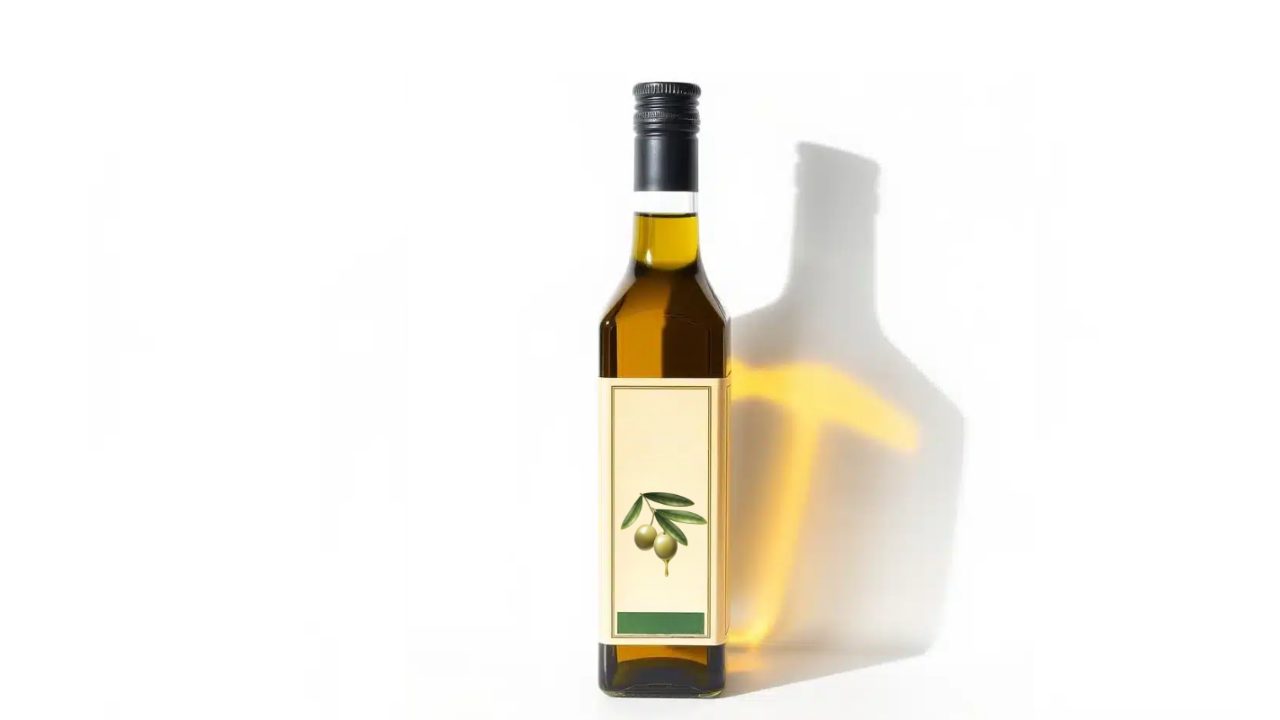
Episode 4 — How to Read a Moroccan Olive Oil Label: What Labels Hide and What You Need to Know
Walk through any Moroccan market, and you’ll see “extra virgin” on almost every bottle. Beautiful packaging. Traditional imagery.
Yet, the label alone tells very little about real quality. Understanding what happens after harvest is critical. From the mill to your kitchen, oils can gain or lose freshness and flavor.
The Official Definition vs. Market Reality
Legally, extra virgin olive oil must have:
- Acidity below 0.8%
- No sensory defects such as rancidity, mustiness, or fermentation
- Mechanical extraction only (no heat above 27°C, no chemicals)
However, in Morocco:
- Acidity levels rarely appear on labels
- Independent tasting tests are uncommon outside export facilities
- Rules vary by region
- Storage conditions often degrade quality before purchase
As a result, two bottles labeled “extra virgin” can be very different in actual quality.
What Moroccan Olive Oil Labels Actually Show
Usually, you’ll find:
- Regional or city names (Meknès, Ouazzane, Berkane)
- “Huile d’olive beldi” or “traditional”
- Decorative imagery (olive branches, Berber patterns)
- “Cold pressed” or “première pression à froid”
But here’s what’s often missing:
- Harvest date — key for freshness
- Extraction date — oil quality drops quickly after pressing
- Olive variety — flavors differ per type
- Acidity level — most important quality marker
- Producer details — beyond cooperative names
- Storage recommendations
In other words, the more transparent the label, the more trustworthy the producer.
“Beldi”: What This Word Really Means
In Morocco, beldi implies:
- Authentic and local
- Traditional methods
- Made by Moroccans
However, beldi has no legal definition or quality standard. A “beldi” oil could be:
- Exceptional single-estate oil pressed within hours of harvest
- Average cooperative blend stored for months
- Poorly processed oil from overripe olives
Takeaway: Use “beldi” as a starting point, not a guarantee. Always check harvest dates and taste before buying.
Why Your Bottle Choice Matters
Even premium oil degrades quickly if stored incorrectly.
Common Problems in Morocco:
- Clear plastic bottles → maximum light exposure, chemical risks
- Transparent glass → destroys polyphenols
- Reused containers → contamination
- Poor seals → faster oxidation
What protects quality:
- Dark glass (amber or green)
- Stainless steel
- Small bottles (250–500ml)
- Airtight caps or dispensers
Therefore, light, heat, and oxygen are olive oil’s enemies.
Price vs. Quality
Unlike wine, Moroccan olive oil pricing depends on:
- Annual harvest yield
- Regional olive availability
- Milling costs
- Packaging and marketing
Interestingly, the finest oils often come directly from family mills in simple bottles. Meanwhile, tourist-targeted oils in medina shops may cost more but be inferior in quality.
Tip: Build relationships with producers. Trust taste over packaging or price.
How Moroccans Actually Choose Olive Oil
Locals rely on:
- Direct relationships with producers or mills
- Sensory testing — smell, color, taste
- Village or mill reputation
- The throat “tickle” — a sign of high polyphenols
This method rewards authenticity and builds community accountability. However, it’s not accessible to newcomers, and results vary depending on conditions.
Your Essential Label-Reading Checklist
Good Signs:
- Harvest date within last 12–18 months
- Specific olive variety mentioned
- Actual acidity percentage
- Producer name and location
- Dark glass or metal container
- Storage instructions
Warning Signs:
- Vague “traditional” or “artisanal” claims
- No dates anywhere
- Clear/light bottles
- Generic “Product of Morocco” only
- Dust on the bottle
Immediate Disqualifiers:
- Rancid smell
- Musty or fermented aroma
- Flat taste without peppery finish
Regional Label Insights
- Meknès-Tafilalet: Picholine Marocaine, balanced, better export oversight
- Ouazzane & North: Robust, high polyphenols, family names indicate small producers
- Marrakech-Safi: Tourist-focused packaging, variable quality; village names better than “Marrakech” alone
- Berkane & Oriental: Chemlal variety, fruity and mild, industrial but consistent
As a result, reading labels properly helps you support authentic producers, experience true terroir, and make informed choices.
Conclusion
Understanding Moroccan olive oil labels is essential. By checking harvest dates, olive variety, container type, and acidity, you can enjoy authentic flavors and support genuine producers.
Coming Next (Ep. 5): Freshness, Storage, and Time: When Olive Oil Peaks (And When It Doesn’t)
This is Episode 4 of our Moroccan Olive Oil series. ← Episode 3 | Continue to Episode 5: Skincare & Wellness →