Menu Engineering 101: Simple Design Tricks That Increase Restaurant Sales
Two menus can list the exact same dishes and produce very different profits. The difference is rarely the food — it is menu engineering: the deliberate use of layout, wording, and pricing to guide what people order. It costs nothing to apply and, unlike a kitchen renovation, you can test a change this week.
What Menu Engineering Actually Means
Menu engineering sorts every dish into one of four groups based on two things: how popular it is, and how profitable it is. The classic framework — Stars, Plowhorses, Puzzles, and Dogs — comes from hospitality research and is explained in detail in Toast’s menu engineering matrix guide. In short:
- Stars — popular and profitable. Protect and promote them.
- Plowhorses — popular but low margin. Nudge the price or portion.
- Puzzles — profitable but overlooked. Reposition and describe better.
- Dogs — neither popular nor profitable. Consider retiring them.
1. Eyes Land Top-Right First
Diners scan a menu in a predictable pattern, and the upper area of a page gets read first and longest. That space belongs to your highest-margin Stars and Puzzles, not to whatever dish happens to be listed first alphabetically.
2. Write Descriptions That Sell, Not Just Describe
“Grilled chicken tagine” tells a customer what it is. “Slow-simmered chicken tagine with preserved lemon and olives” tells them why it’s worth ordering. A specific, sensory description of 2–3 details consistently outsells a bare item name, with no change to the dish itself.
3. Drop the Currency Symbol on Prices
Listing prices as plain numbers (“45” instead of “45 MAD” or “45,00 MAD”) removes the visual cue that triggers price-consciousness. It sounds small, but it is one of the most consistently repeated findings in menu design research.
4. Use Photos Sparingly and Strategically
One well-lit photo per section, placed next to the dish you most want to sell, draws attention and lifts orders. A menu with a photo next to every item, on the other hand, overwhelms the eye and can make a restaurant look like a fast-food chain rather than a considered kitchen.
5. Bundle Your Puzzles Into Combos
A high-margin dish that rarely gets ordered on its own often sells well as part of a set: paired with a popular starter or drink at a small combined discount. The bundle feels like better value to the customer while still protecting your margin.
Why a Digital Menu Makes This Easier
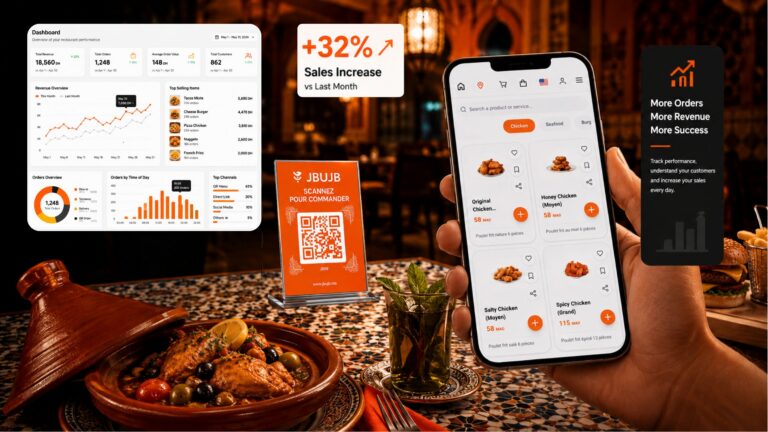
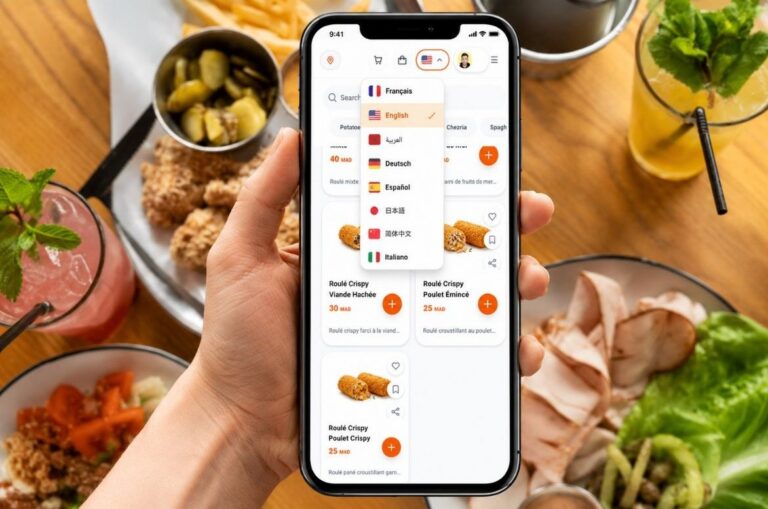
Menu engineering is only useful if you can act on it, and a printed menu makes every change expensive. A digital QR menu lets you reorder items, rewrite a description, or swap a photo in minutes, then watch how orders shift the same week. That fast feedback loop is exactly what menu engineering needs to work in practice, whether you run a single café or a riad restaurant in Marrakech.
A Simple Way to Start This Week
Pick your three highest-margin dishes. Move them to the top-right of the menu or the top of their section, rewrite their descriptions with two or three sensory details, and remove the currency symbol from every price. Leave everything else untouched for two weeks, then compare sales. Small, isolated changes like this are how real restaurants find out what their menu was quietly costing them.
Conclusion
You do not need new dishes to increase restaurant profit — you need a menu that sells the dishes you already have. Menu engineering turns your existing menu into your most underused sales tool, and a digital menu turns every insight into a change you can make today instead of next month’s reprint.