How to Create a Multilingual Restaurant Menu in Morocco
Running a restaurant, café, snack, or fast-food business in Morocco means serving customers from different cities, cultures, and languages every day.
In places like Marrakech, Casablanca, Agadir, and Tangier, restaurants regularly welcome:
- Moroccan customers
- Tourists
- Expats
- Business travelers
- International students
This is why multilingual menus are becoming essential for restaurants in Morocco in 2026.
A customer who understands your menu clearly is more likely to:
- order faster
- spend more
- feel comfortable
- return again
In this guide, you’ll learn how to create a professional multilingual restaurant menu for your Moroccan business.
Why Multilingual Menus Matter in Morocco
Morocco is a multilingual country by nature.
Customers may speak:
- Arabic
- Darija
- French
- English
- Spanish
- German
- Italian
- Dutch
Tourist-heavy cities especially need menus that are easy to understand for international visitors.
A multilingual menu helps restaurants:
- increase sales
- reduce order confusion
- improve customer experience
- attract tourists
- look more professional
- modernize their brand image
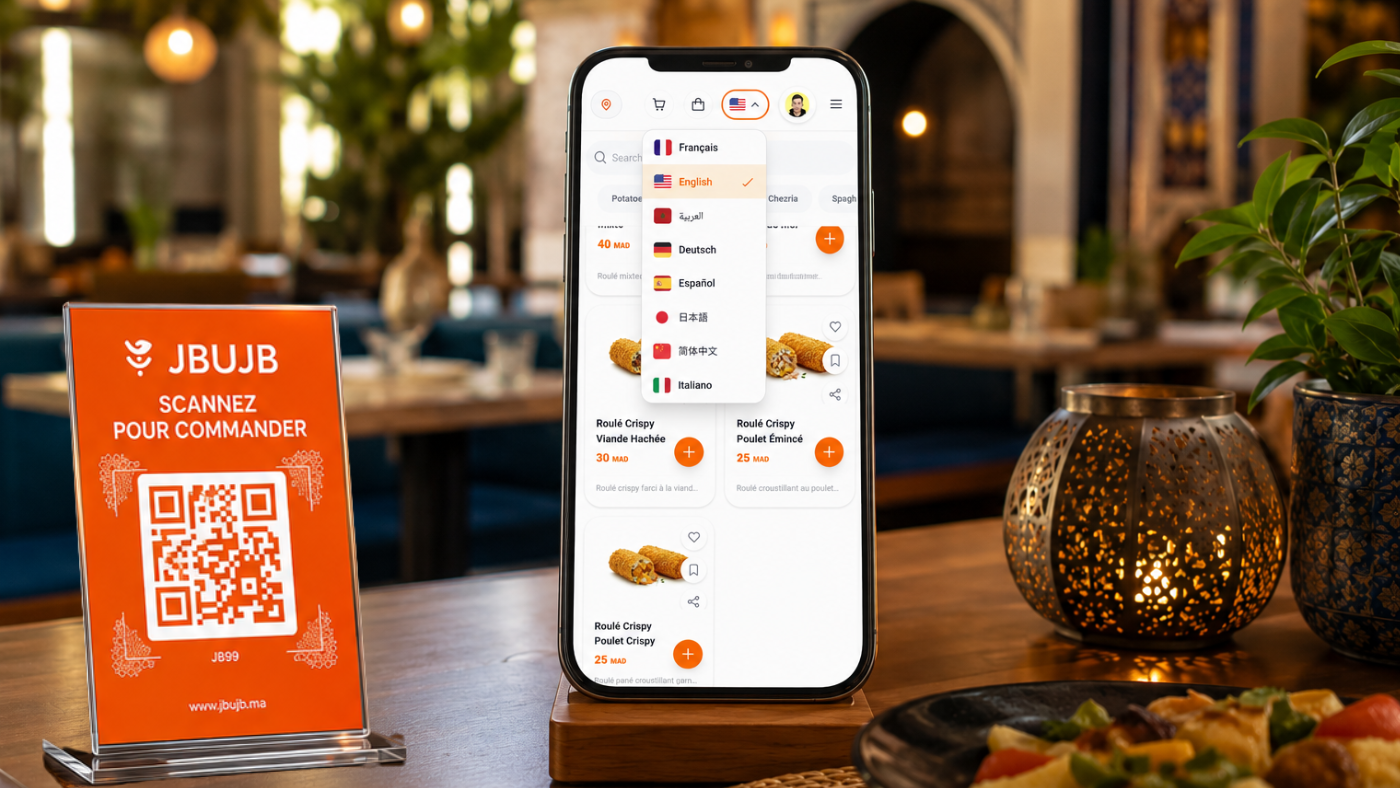
Digital menus with QR codes make this even easier because customers can instantly switch languages from their phones.
Step 1 — Choose the Right Languages
You don’t need 20 languages.
Start with the most useful ones for your audience.
Recommended Languages for Moroccan Restaurants
| Restaurant Type | Recommended Languages |
| Local snack | Arabic + French |
| Café | Arabic + French + English |
| Tourist restaurant | Arabic + French + English + Spanish |
| Hotel restaurant | Arabic + French + English + German |
| Premium restaurant | Arabic + French + English |
If your restaurant is located in tourist areas like Jemaa el-Fnaa in Marrakech, English becomes extremely important.
Step 2 — Translate Professionally
Bad translations can damage trust and confuse customers.
Avoid:
- Google Translate copy-paste
- mixed languages
- spelling mistakes
- literal translations
Instead:
- use restaurant-friendly wording
- keep dish names simple
- adapt descriptions culturally
Example
Bad Translation
“Chicken pieces with white liquid and potatoes.”
Better Translation
“Crispy chicken served with creamy cheese sauce and golden fries.”
Descriptions should make dishes sound delicious and clear.
Step 3 — Use Clear Food Categories
A multilingual menu becomes much easier to navigate when categories are organized properly.
Example categories:
- Burgers
- Tacos
- Pizza
- Pasta
- Sandwiches
- Salads
- Drinks
- Desserts
Keep the structure identical across all languages.
This prevents confusion when customers switch languages.
Step 4 — Add High-Quality Food Photos
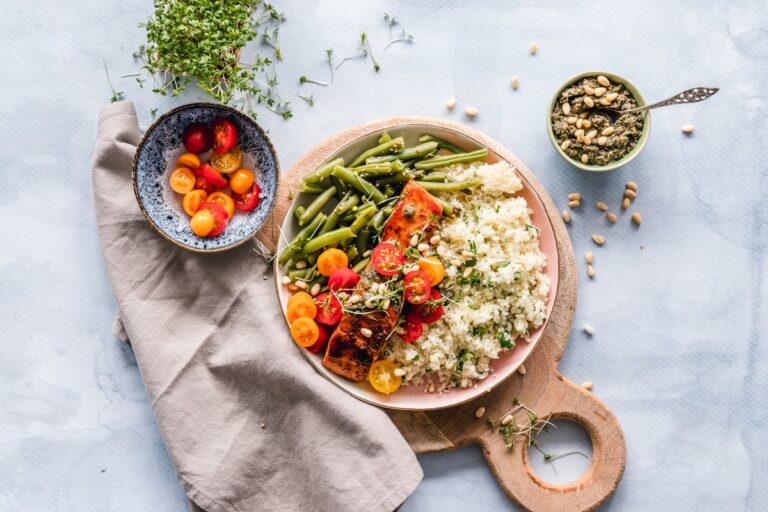
Photos help customers understand dishes even if they don’t fully understand the language.
Good food photography can:
- increase appetite
- improve trust
- increase average order value
- reduce questions
Use:
- white background product photos
- realistic food images
- high lighting quality
- modern presentation
Restaurants in Morocco using visual digital menus often see better customer engagement than text-only menus.
Step 5 — Use a QR Code Digital Menu
Traditional printed menus become difficult to manage when you have multiple languages.
Every update requires:
- reprinting
- redesign
- extra cost
A QR code digital menu solves this problem.
Customers simply scan a QR code and choose their language instantly.
Benefits:
- instant updates
- no printing costs
- multilingual support
- mobile-friendly experience
- easier management
- cleaner and more modern image
Step 6 — Make Prices Easy to Read
Use a consistent format for prices.
Recommended Moroccan format:
- 35 DH
- 60 DH
- 120 DH
Avoid:
- mixed currencies
- unclear decimal formatting
- tiny text
Tourists should immediately understand pricing.
Step 7 — Optimize for Tourists
Tourists usually:
- scan menus quickly
- compare restaurants fast
- look at photos first
- search online before visiting
Your multilingual menu should include:
- restaurant logo
- opening hours
- contact information
- social media
- Google Maps location
- food photos
- clear categories
This creates a more professional experience.
Step 8 — Add Online Ordering
Modern digital menus in Morocco are no longer just menus.
Restaurants now combine:
- multilingual menus
- QR ordering
- takeaway orders
- delivery orders
- table ordering
- order management dashboards
This improves restaurant operations and customer experience at the same time.
Common Mistakes to Avoid
Using Too Many Fonts
Keep typography clean and readable.
Poor Mobile Experience
Most customers will open the menu on smartphones.
Missing English
Even local restaurants increasingly receive international visitors.
Low-Quality Images
Blurry photos reduce trust instantly.
Difficult Navigation
Customers should find dishes quickly.
Why Digital Multilingual Menus Are the Future in Morocco
Restaurants across Morocco are rapidly modernizing.
Customers now expect:
- QR code menus
- online ordering
- multilingual support
- mobile-friendly experiences
- fast service
A multilingual digital menu helps restaurants:
- stand out from competitors
- attract tourists
- increase sales
- simplify management
- create a modern customer experience
In 2026, multilingual menus are no longer a luxury — they are becoming a necessity for restaurants that want to grow.
Final Thoughts
Creating a multilingual restaurant menu in Morocco is one of the smartest upgrades a restaurant can make today.
It helps:
- local customers
- tourists
- delivery clients
- dine-in visitors
With a modern digital menu solution, restaurants can manage everything from one place while offering a professional experience in multiple languages.
Whether you own:
- a snack
- café
- fast-food restaurant
- rooftop
- traditional Moroccan restaurant
- hotel restaurant
A multilingual digital menu can help your business grow faster in Morocco’s modern restaurant market.
Ready to switch to a digital menu? Create your free JBUJB menu in under an hour, or read our step-by-step setup guide.